Most people know the heart moves blood through the body. Far fewer know about the system working right alongside it, quietly clearing fluid, filtering waste, and supporting immunity every minute of the day.
That's the lymphatic system. It's closely tied to fascia, it's a big reason the face looks puffy some mornings, and it's at the heart of the work we do at BONNIE. Here's a simple guide.
What the Lymphatic System Is
The lymphatic system is a network of vessels, nodes, and organs that runs throughout the body. It includes:
Lymph: a clear fluid made of water, proteins, waste, and immune cells
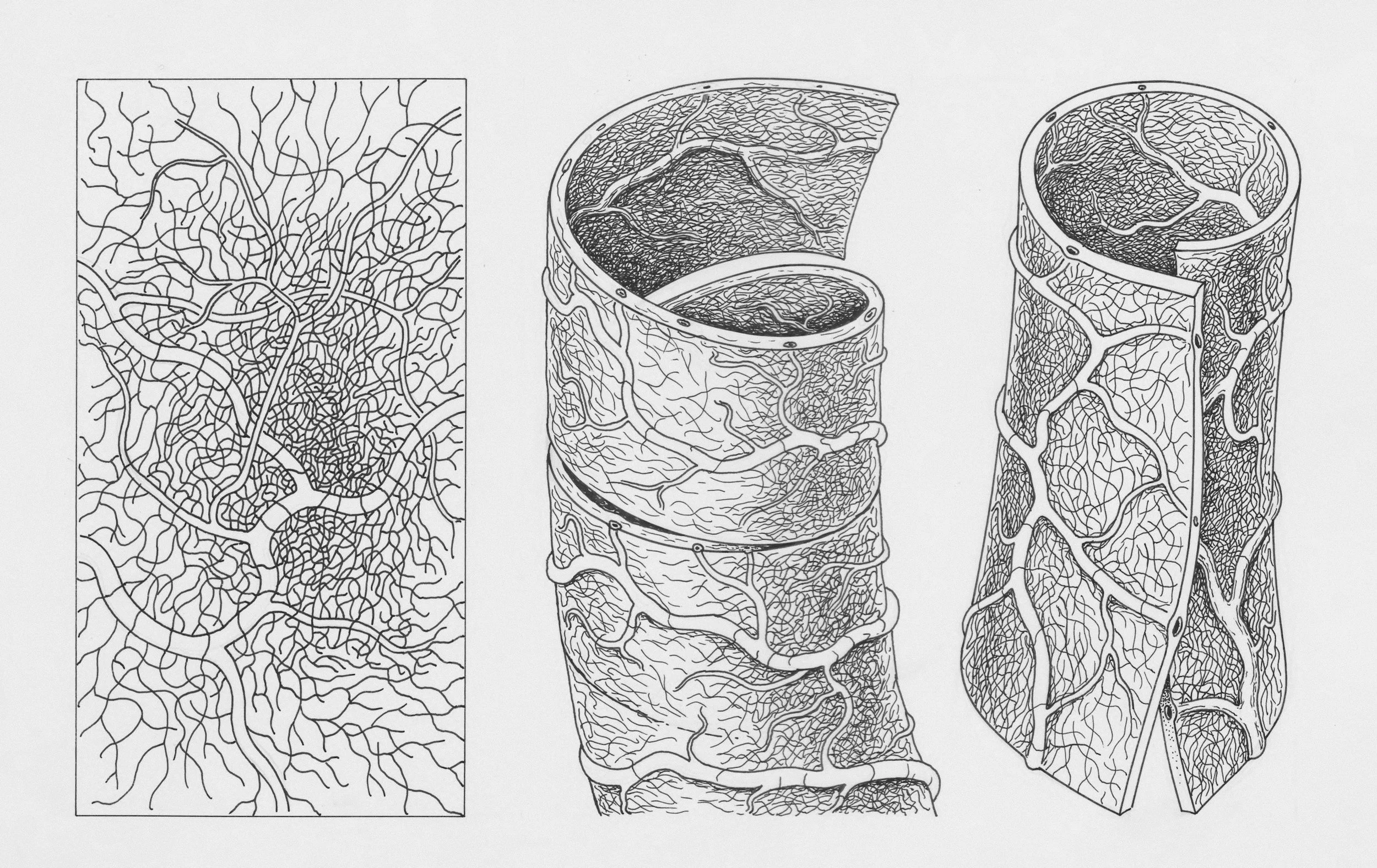
Lymph vessels: a web of tiny channels, many sitting just under the skin
Lymph nodes: hundreds of small filters, clustered in the neck, armpits, abdomen, and groin
Lymphatic organs: including the spleen, thymus, and tonsils
A large share of the body's lymph nodes sit in the head and neck, which is why facial and neck work is such an effective place to support lymphatic flow.
What It Does
Balances fluid. Every day, fluid leaks out of the blood vessels into the tissues. The lymphatic system collects that fluid, liters of it each day, and returns it to the bloodstream. Without it, the body would swell.
Filters waste. Lymph carries cellular waste and debris to the lymph nodes, where it's filtered.
Supports immunity. Lymph nodes are home to immune cells that identify and respond to bacteria and viruses. This is why nodes in your neck can swell when you're sick.
Absorbs fats. Lymph vessels in the small intestine absorb dietary fats and carry them into circulation.
Why It Has No Pump
Blood has the heart. Lymph doesn't have anything like it. Instead, lymph moves through:
Muscle movement. Muscles squeeze the vessels as they contract.
Breathing. Deep breaths from the diaphragm create pressure changes that draw lymph upward toward the chest.
Gentle vessel contractions. Lymph vessels pulse slowly on their own.
One-way valves. These keep lymph moving in the right direction.
This means the lymphatic system depends on how you live. When you move and breathe well, it flows. When you're still and shallow-breathing, it slows.
How Modern Life Slows It Down
Sitting for long hours at desks, in cars, and on the couch
Shallow chest breathing from stress and poor posture (see how screens affect posture)
Dehydration, especially in dry, heated winter air
High-salt foods and alcohol, which lead the body to hold on to fluid
Poor sleep, when much of the body's recovery happens
Chronic stress, which keeps muscles braced and breath high
Signs Your Lymphatic System Could Use Support
Facial puffiness, especially around the eyes and jaw in the morning
A feeling of heaviness or sluggishness
Stiffness in the neck and shoulders
Mild swelling in the hands or ankles after sitting
When to see a doctor: Swelling that's sudden, painful, on one side only, or doesn't go away, and lymph nodes that stay swollen for more than two weeks, should be checked by a medical provider.
Simple Ways to Support Lymphatic Flow
Move every hour. A short walk, a few squats, or shoulder rolls all help. Even calf raises at your desk count.
Breathe from the belly. Slow, deep breaths that expand the belly and ribs are one of the most effective ways to move lymph.
Hydrate steadily. Lymph is mostly water. Sip through the day.
Try dry brushing. Light strokes toward the heart before a shower support circulation near the skin. Learn how in our dry brushing guide.
Use light pressure. Lymph vessels sit just under the skin, so lymphatic massage uses very gentle, slow strokes, about the weight of a nickel. Deep pressure isn't needed.
Start your day with movement. Our 5-minute morning routine for lymphatic flow is an easy place to begin.
Is Lymphatic Massage Right for Everyone?
Lymphatic massage is gentle, but it isn't right for everyone. Check with your doctor first if you have an active infection or fever, a history of blood clots, heart or kidney conditions, or are currently in cancer treatment.
How BONNIE Supports Your Lymphatic System
BONNIE sessions combine lymphatic and myofascial techniques with red light therapy, guided breathwork, and sound therapy. Breathwork is built into every session because breath is one of the body's strongest natural lymph movers.
SCULPT (50 min): Lymphatic and myofascial massage for the face, head, and neck. Reduces puffiness and relaxes facial muscles for a lifted, rested look.
POSTURE (50 min): Upper body and head. Restores mobility so good posture is easier to hold.
Signature (80 min): SCULPT and POSTURE combined.
Not sure where to start? Read SCULPT, POSTURE, or Signature: Which Session Is Right for You? or see what to expect at your first session.
Book Your Session
Where: Center City, Philadelphia (19107), a short walk from Jefferson
Services: SCULPT (50 min), POSTURE (50 min), Signature (80 min), all with red light therapy
Pricing: Introductory pricing is available for a limited time
Book online: bonnietherapy.com
Book your SCULPT session now and help your body move what it's been holding.
Keep Reading
For daily lymphatic tips, stretches, and education, follow @bonnietherapy on Instagram.